Buy miragespa.eu ?
We are moving the project
miragespa.eu .
Are you interested in purchasing the domain
miragespa.eu ?
domain@kv-gmbh.de · 0541-91531010
Buy miragespa.eu ?
Are algae prokaryotes?
No, algae are not prokaryotes. Algae are a diverse group of photosynthetic organisms that can be found in various environments, including freshwater and marine habitats. They are eukaryotic organisms, meaning they have a true nucleus and other membrane-bound organelles within their cells. This distinguishes them from prokaryotes, which lack a true nucleus and membrane-bound organelles. **
Are amoebas prokaryotes?
No, amoebas are not prokaryotes. Amoebas are eukaryotic organisms, meaning they have a true nucleus and other membrane-bound organelles within their cells. Prokaryotes, on the other hand, are organisms that lack a true nucleus and other membrane-bound organelles. Examples of prokaryotes include bacteria and archaea. **

Similar search terms for Prokaryotes
Top-Angebote
Products related to Prokaryotes:
-
Nourison Tranquility Area RugDiscover a special feeling of serene elegance in this uniquely refined collection of contemporary area rugs. In subtly varied palettes of soft color and muted neutrals, these distinctive designs will grace any room with a note of quiet sophistication.199,00 $*Shipping: 0,00 $Secure redirect to the provider
-
Nourison Tranquility Area RugDiscover a special feeling of serene elegance in this uniquely refined collection of contemporary area rugs. In subtly varied palettes of soft color and muted neutrals, these distinctive designs will grace any room with a note of quiet sophistication.249,00 $*Shipping: 0,00 $Secure redirect to the provider
-
Nourison Tranquility Area RugDiscover a special feeling of serene elegance in this uniquely refined collection of contemporary area rugs. In subtly varied palettes of soft color and muted neutrals, these distinctive designs will grace any room with a note of quiet sophistication.949,00 $*Shipping: 0,00 $Secure redirect to the provider
-
Nourison Tranquility Area RugDiscover a special feeling of serene elegance in this uniquely refined collection of contemporary area rugs. In subtly varied palettes of soft color and muted neutrals, these distinctive designs will grace any room with a note of quiet sophistication.199,00 $*Shipping: 0,00 $Secure redirect to the provider


-
When did prokaryotes originate?
Prokaryotes are believed to have originated around 3.5 billion years ago, making them some of the earliest forms of life on Earth. **
-
Are prokaryotes human cells?
No, prokaryotes are not human cells. Prokaryotes are single-celled organisms that lack a true nucleus and other membrane-bound organelles, while human cells are eukaryotic, meaning they have a true nucleus and other membrane-bound organelles. Prokaryotes include bacteria and archaea, while human cells are part of the complex multicellular organism known as Homo sapiens. **
-
Are humans prokaryotes or eukaryotes?
Humans are eukaryotes. Eukaryotes are organisms whose cells have a true nucleus containing their genetic material, while prokaryotes do not have a nucleus. Human cells, like all other animals, plants, fungi, and protists, are eukaryotic cells. **
-
What are prokaryotes and mitochondria?
Prokaryotes are single-celled organisms that lack a nucleus and other membrane-bound organelles. They are typically smaller and simpler in structure compared to eukaryotic cells. Prokaryotes include bacteria and archaea. Mitochondria are membrane-bound organelles found in eukaryotic cells. They are often referred to as the "powerhouses" of the cell because they generate energy in the form of ATP through a process called cellular respiration. Mitochondria have their own DNA and are thought to have originated from a symbiotic relationship between an ancestral eukaryotic cell and a prokaryotic cell. **


What are eukaryotes and prokaryotes?
Eukaryotes are organisms whose cells have a true nucleus, which contains their genetic material. They also have other membrane-bound organelles, such as mitochondria and the endoplasmic reticulum. Examples of eukaryotes include plants, animals, fungi, and protists. Prokaryotes, on the other hand, are organisms whose cells do not have a true nucleus or other membrane-bound organelles. Their genetic material is located in the cytoplasm, and they are typically smaller and simpler in structure compared to eukaryotic cells. Examples of prokaryotes include bacteria and archaea. **
Do prokaryotes have a cell nucleus?
No, prokaryotes do not have a cell nucleus. Prokaryotic cells lack a membrane-bound nucleus that houses their genetic material. Instead, their DNA is found in a region of the cell called the nucleoid. This is one of the key differences between prokaryotic and eukaryotic cells, as eukaryotic cells have a defined nucleus that separates their genetic material from the rest of the cell. **
Top-Angebote
Products related to Prokaryotes:
-
I Love Wellness Calm bath salt for relaxation 500 gI Love Wellness Calm, 500 g, Bath Salts for Women, Do you love long baths in nice hot water? Your favourite relaxation ritual can be enhanced and taken to another level by I Love Wellness Calmbath salts. It lets you create a fragrant salt bath right in your own home, allowing tension and feelings of inner turmoil to melt away while creating a wonderful sense of well-being. But you don't just get the relaxation you deserve, although the intoxicating smell of salt certainly invites you to do so. Apart from relaxation, your body will also be treated to regeneration. Salt is rich in natural minerals, so it will help with skin regeneration and contribute to relieving any skin issues you may have. Characteristics: relaxing effect has a pleasant fragrance moisturises and softens strengthens the skin’s defences has a relaxing effect on the muscles of the body Ingredients: vegan product camomile extract – soothes, counteracts irritation, helps reduce redness and promotes regeneration How to use: Pour into a warm bath and allow to dissolve.7,65 £*Shipping: 3,99 £Secure redirect to the provider
-
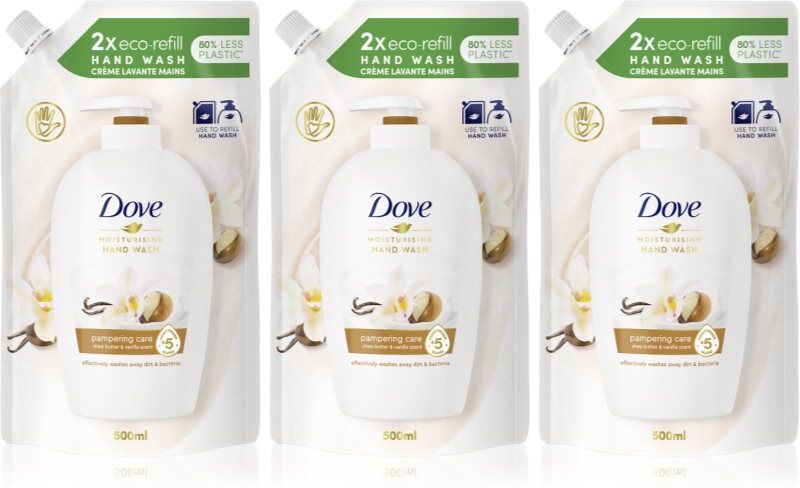
Dove Moisturizing Hand Wash Pampering Care setDove Moisturizing Hand Wash Pampering Care, 1 pc, Refills for Women, Discover a practical bundle of products designed to enhance your everyday moments. DoveMoisturizing Hand WashPampering Care set takes the hassle out of choosing by offering a combination of popular products. Now available together in one convenient pack. The set contains: Dove Purely Pampering Shea Butter & Vanilla liquid soap refill 3x500.00 ml Characteristics: a set at a favourable price has a pleasant fragrance leaves a refreshing feeling has softening effects nature-friendly packaging Ingredients: shea butter – nourishes, helps retain necessary hydration in skin, adds softness and smoothness, provides protection against drying and harmful external influences How to use: Follow the instructions on the package.6,40 £*Shipping: 3,99 £Secure redirect to the provider
-
Nourison Tranquility Area RugDiscover a special feeling of serene elegance in this uniquely refined collection of contemporary area rugs. In subtly varied palettes of soft color and muted neutrals, these distinctive designs will grace any room with a note of quiet sophistication.199,00 $*Shipping: 0,00 $Secure redirect to the provider
-
Nourison Tranquility Area RugDiscover a special feeling of serene elegance in this uniquely refined collection of contemporary area rugs. In subtly varied palettes of soft color and muted neutrals, these distinctive designs will grace any room with a note of quiet sophistication.249,00 $*Shipping: 0,00 $Secure redirect to the provider
-
Are algae prokaryotes?
No, algae are not prokaryotes. Algae are a diverse group of photosynthetic organisms that can be found in various environments, including freshwater and marine habitats. They are eukaryotic organisms, meaning they have a true nucleus and other membrane-bound organelles within their cells. This distinguishes them from prokaryotes, which lack a true nucleus and membrane-bound organelles. **
-
Are amoebas prokaryotes?
No, amoebas are not prokaryotes. Amoebas are eukaryotic organisms, meaning they have a true nucleus and other membrane-bound organelles within their cells. Prokaryotes, on the other hand, are organisms that lack a true nucleus and other membrane-bound organelles. Examples of prokaryotes include bacteria and archaea. **
-
When did prokaryotes originate?
Prokaryotes are believed to have originated around 3.5 billion years ago, making them some of the earliest forms of life on Earth. **
-
Are prokaryotes human cells?
No, prokaryotes are not human cells. Prokaryotes are single-celled organisms that lack a true nucleus and other membrane-bound organelles, while human cells are eukaryotic, meaning they have a true nucleus and other membrane-bound organelles. Prokaryotes include bacteria and archaea, while human cells are part of the complex multicellular organism known as Homo sapiens. **
Similar search terms for Prokaryotes
-
Nourison Tranquility Area RugDiscover a special feeling of serene elegance in this uniquely refined collection of contemporary area rugs. In subtly varied palettes of soft color and muted neutrals, these distinctive designs will grace any room with a note of quiet sophistication.949,00 $*Shipping: 0,00 $Secure redirect to the provider
-
Nourison Tranquility Area RugDiscover a special feeling of serene elegance in this uniquely refined collection of contemporary area rugs. In subtly varied palettes of soft color and muted neutrals, these distinctive designs will grace any room with a note of quiet sophistication.199,00 $*Shipping: 0,00 $Secure redirect to the provider
-
Nourison Tranquility Area RugDiscover a special feeling of serene elegance in this uniquely refined collection of contemporary area rugs. In subtly varied palettes of soft color and muted neutrals, these distinctive designs will grace any room with a note of quiet sophistication.1329,00 $*Shipping: 0,00 $Secure redirect to the provider
-
Are humans prokaryotes or eukaryotes?
Humans are eukaryotes. Eukaryotes are organisms whose cells have a true nucleus containing their genetic material, while prokaryotes do not have a nucleus. Human cells, like all other animals, plants, fungi, and protists, are eukaryotic cells. **
-
What are prokaryotes and mitochondria?
Prokaryotes are single-celled organisms that lack a nucleus and other membrane-bound organelles. They are typically smaller and simpler in structure compared to eukaryotic cells. Prokaryotes include bacteria and archaea. Mitochondria are membrane-bound organelles found in eukaryotic cells. They are often referred to as the "powerhouses" of the cell because they generate energy in the form of ATP through a process called cellular respiration. Mitochondria have their own DNA and are thought to have originated from a symbiotic relationship between an ancestral eukaryotic cell and a prokaryotic cell. **
-
What are eukaryotes and prokaryotes?
Eukaryotes are organisms whose cells have a true nucleus, which contains their genetic material. They also have other membrane-bound organelles, such as mitochondria and the endoplasmic reticulum. Examples of eukaryotes include plants, animals, fungi, and protists. Prokaryotes, on the other hand, are organisms whose cells do not have a true nucleus or other membrane-bound organelles. Their genetic material is located in the cytoplasm, and they are typically smaller and simpler in structure compared to eukaryotic cells. Examples of prokaryotes include bacteria and archaea. **
-
Do prokaryotes have a cell nucleus?
No, prokaryotes do not have a cell nucleus. Prokaryotic cells lack a membrane-bound nucleus that houses their genetic material. Instead, their DNA is found in a region of the cell called the nucleoid. This is one of the key differences between prokaryotic and eukaryotic cells, as eukaryotic cells have a defined nucleus that separates their genetic material from the rest of the cell. **
* All prices are inclusive of VAT and, if applicable, plus shipping costs. The offer information is based on the details provided by the respective shop and is updated through automated processes. Real-time updates do not occur, so deviations can occur in individual cases. ** Note: Parts of this content were created by AI.